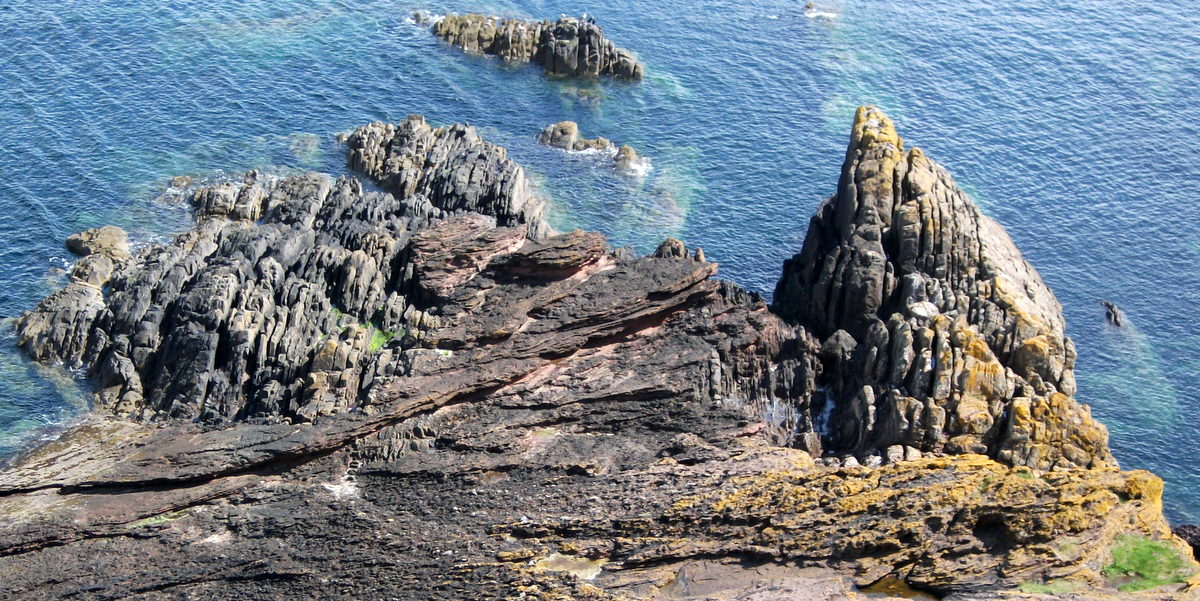
Geology of Edinburgh and Around
Monday 11th January 2027
Lecture by Angus Millar ( Geowalks and Edinburgh University)
Time 7.00pm
Venue Zoom only
Geology of Scotland

Monday 11th January 2027
Lecture by Angus Millar ( Geowalks and Edinburgh University)
Time 7.00pm
Venue Zoom only
Geology of Scotland
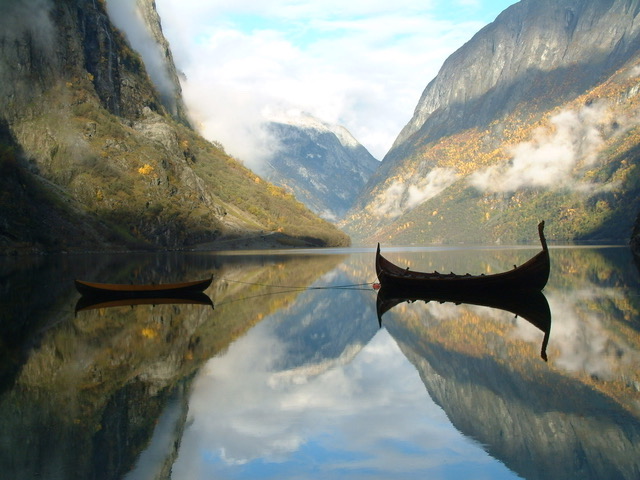
Tuesday 8th December 2026
Lecture by Dr Patrick McKeevor
Time 7.00pm
Venue Zoom only
Geology and World Heritage: an Update on What si On the World Heritage List, and what is not
Wednesday 18th November 2026
Lecture by Ian Enlander
Time Time: 1pm
Location: Public Records Office NI lecture room, 2 Titanic Boulevard, Titanic Quarter, Belfast, BT3 9HQ
Booking essential: https://www.eventbrite.co.uk/e/1993525043068?aff=oddtdtcreator
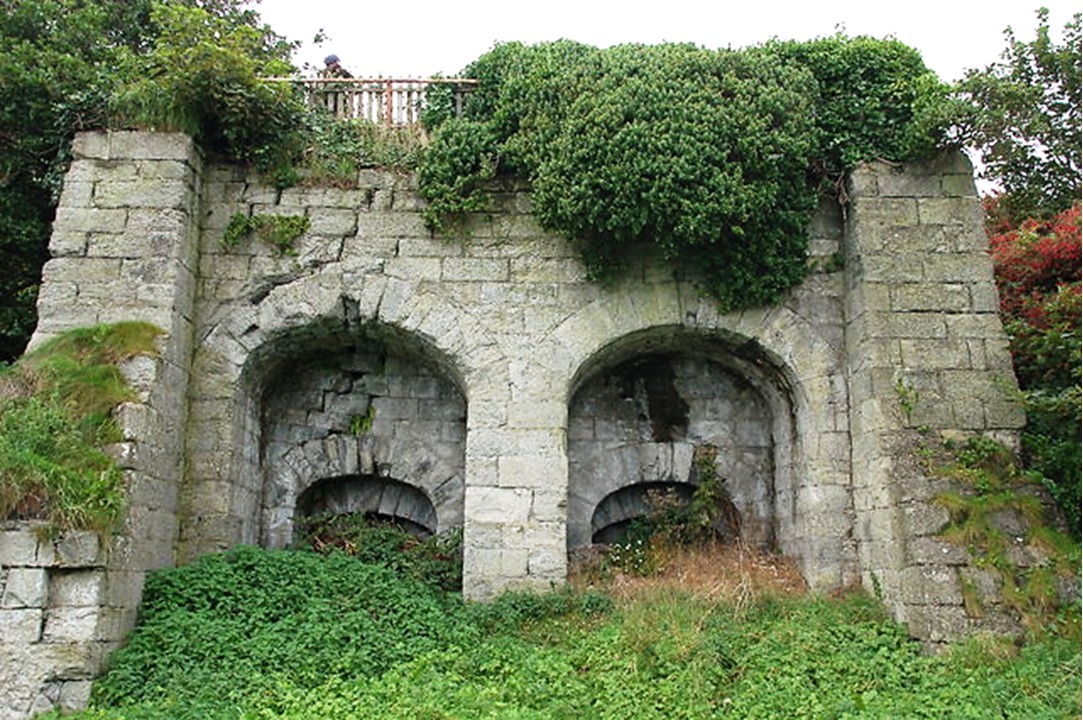
Title:The economic geology and associated industrial archaeology of the Greater Belfast area
Monday 19th Oct 2026
Lecture by Dr Andrew Newton
Time 6.30 for 7pm
Venue Elmwood Building QUB- Hybrid
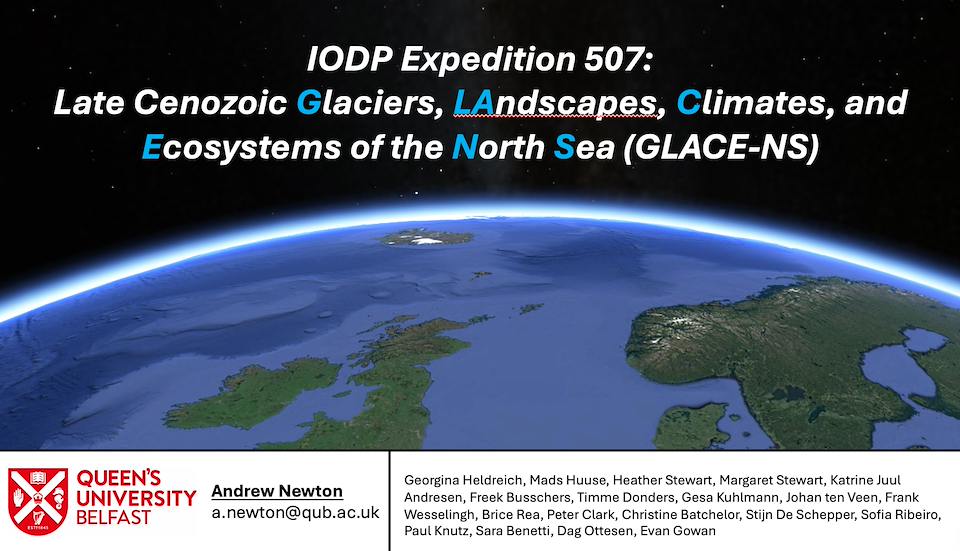
IODP Expedition 507: Glaciers, Landscapes, Climates, and Ecosystems of the North Sea (GLACE-NS)
Monday 18th May 2026
Lecture by Dr Erin Thompson
Time 6.30 for 7pm
Venue MCB McArthur Hall and hybrid
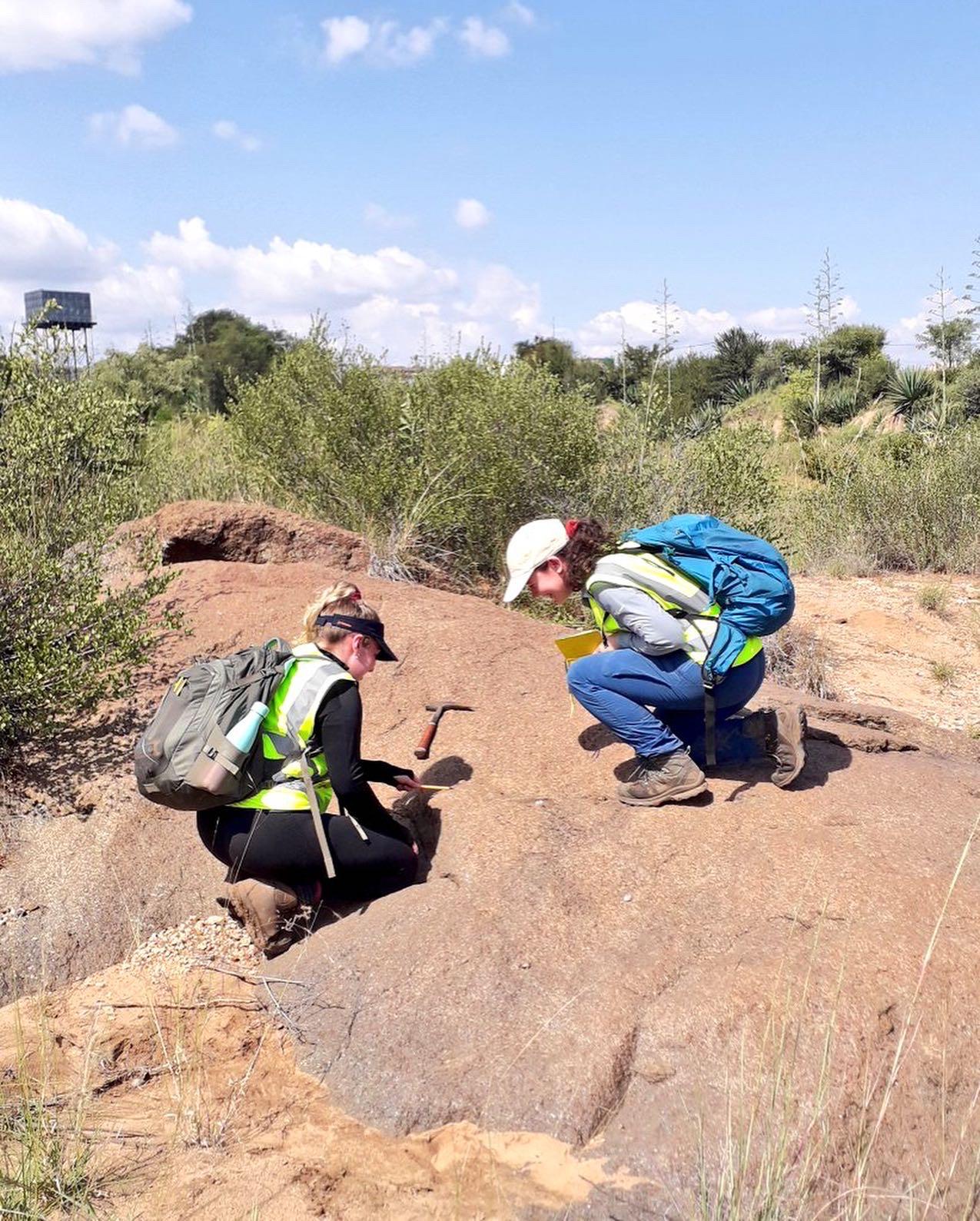
Controls on magmatic sulfide Ni-Cu-Co-PGE mineralisation: Tales from South Africa and NE Scotland”

Monday 27th April 2026
AGM Talk by Dr Max Marchini
Time 7pm
Venue MCB
The Barberton Greenstone Belt- a window onto the early Earth

Monday 23rd March 2026
Hybrid Lecture by Paul Wilson ,Hydrologist GSNI
McArthur Hall,Methodist College Time 6.30 for 7pm and 6.45pm for 7pm by Zoom

Sat 14th Feb 2026
Karen Parks
Carrickfergus Museum( part of NI Science Festival)
10.30- 1.30

Wednesday 11th Feb 2026
Talk by Ian Enlander ( Belfast Geologists Society) and Maia Gill (Historic Environment Record of N.Ireland)
Venue Public Records Office,N.Ireland PRONI
Time 1-2pm
Tuesday 16th December 2025
Talk by Ian Enlander
Time 7pm
Venue Zoom
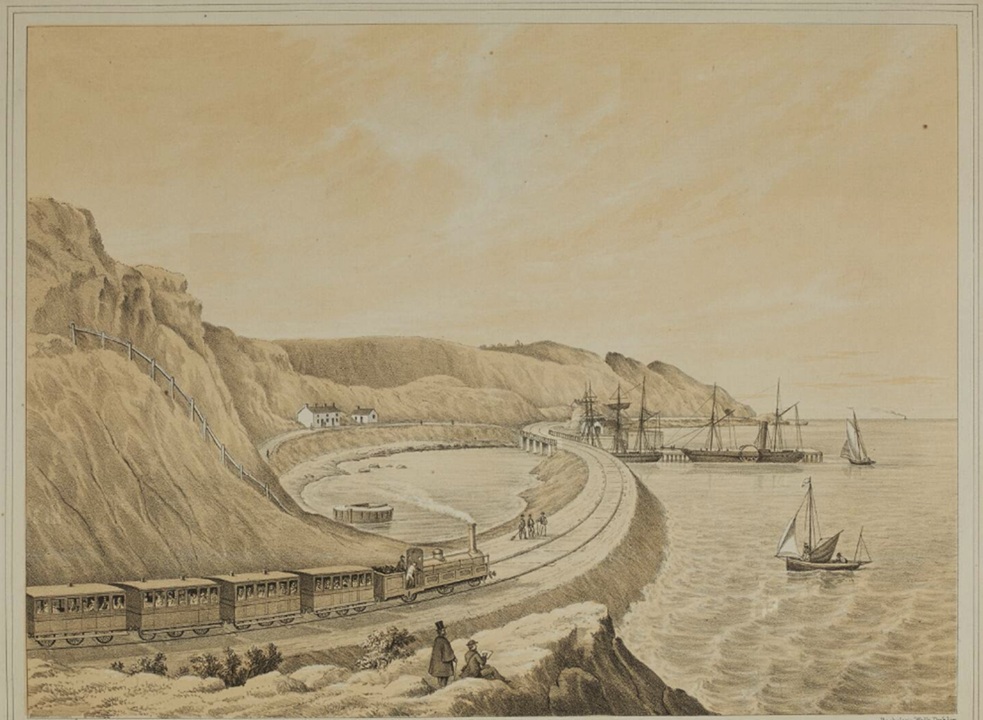
Before the town of Whitehead came into existence, there were a number of flourishing industries in the vicinity of White Head, the limestone headland that once stood south of the present town. These industries used the local geology as their raw material.
The local geology – red, white and black – mainly consists of Triassic mudstones (red), being the oldest rocks present, succeeded by the Cretaceous series, notably the Ulster White Limestone (white), capped by the Lower Basalts (black). Using field evidence together with a range of historical sources, the story of how these raw materials formed the basis of an important series of industries will be discussed. The area flourished during the heyday of ‘Victorian industrialisation’ with the coming of the railway, a better road network and development of harbour facilities.
Although the quarries, brickworks and harbour are now quiet and the evidence mostly long gone, the story of these industries and associated activities can be understood through historical maps, postcards, photographs and artwork. This small area hosts a lot of industrial heritage.
Ian Enlander