Geology of Edinburgh and around
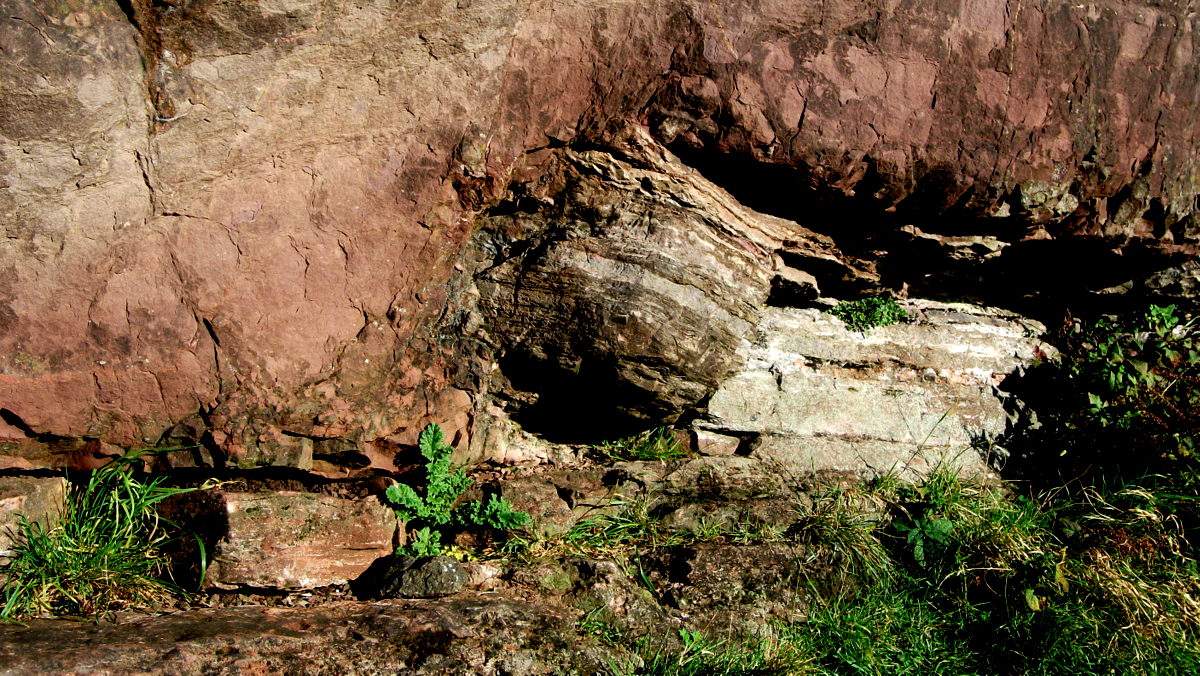
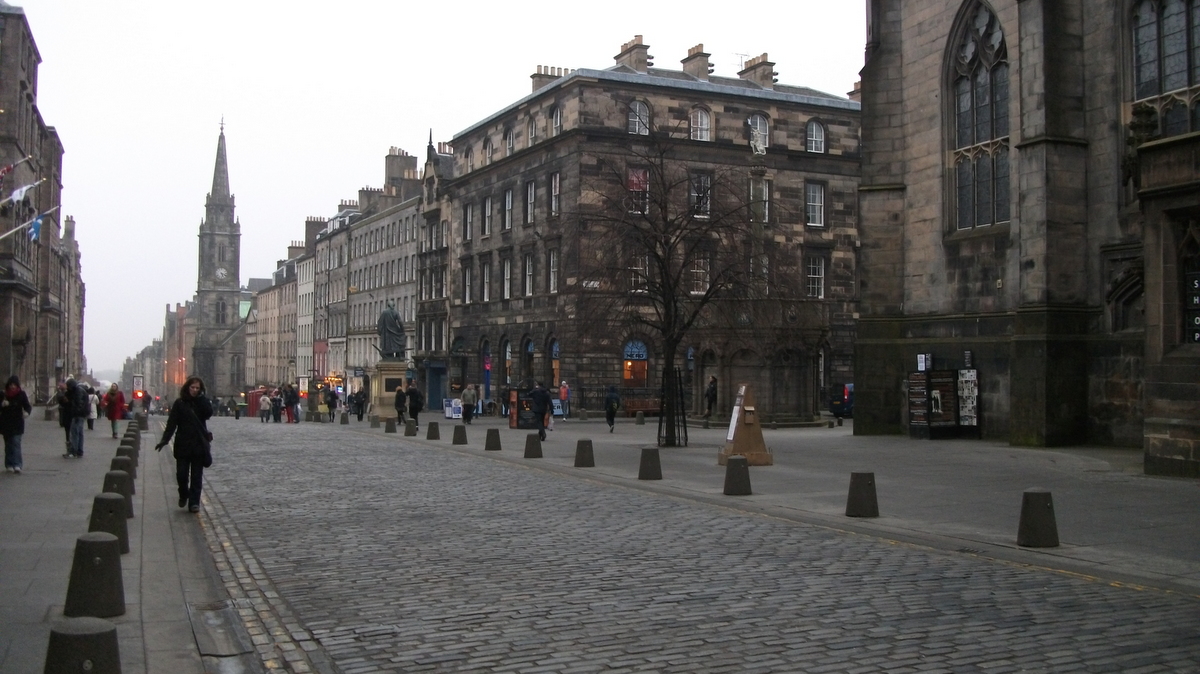
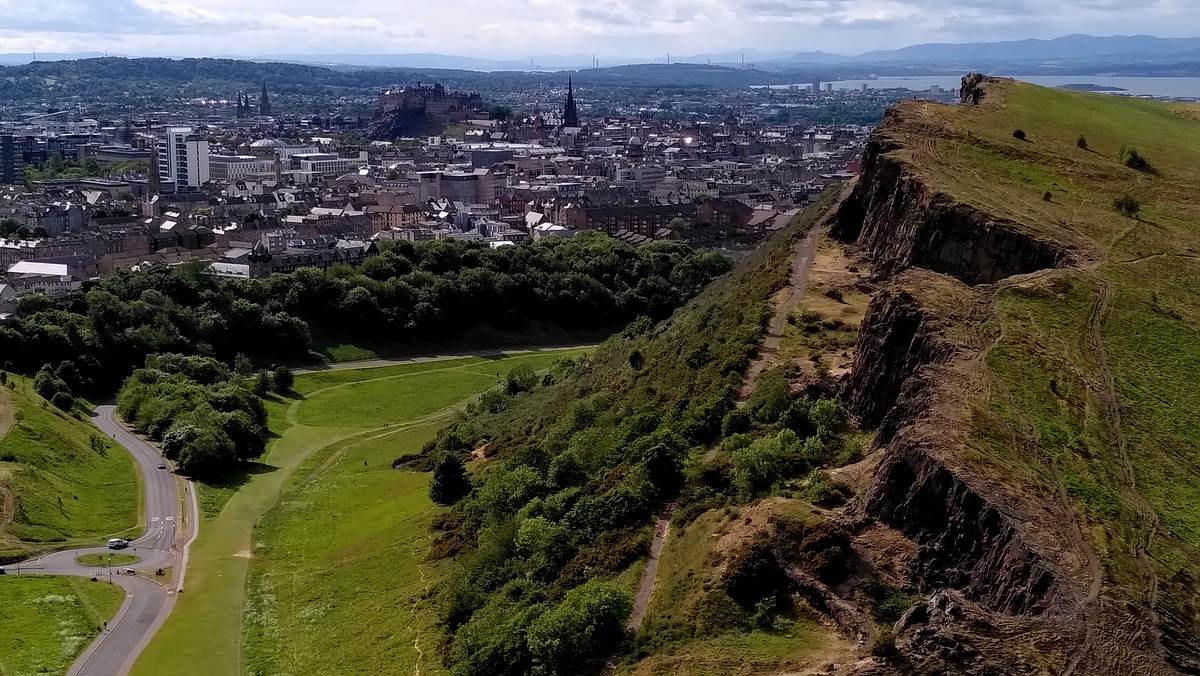
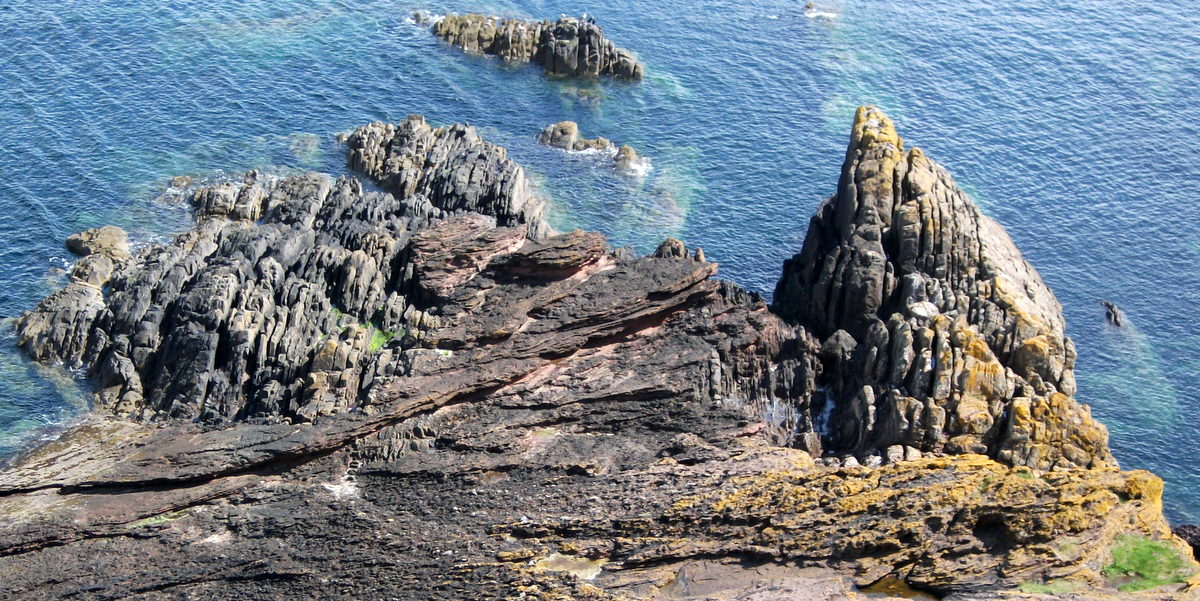
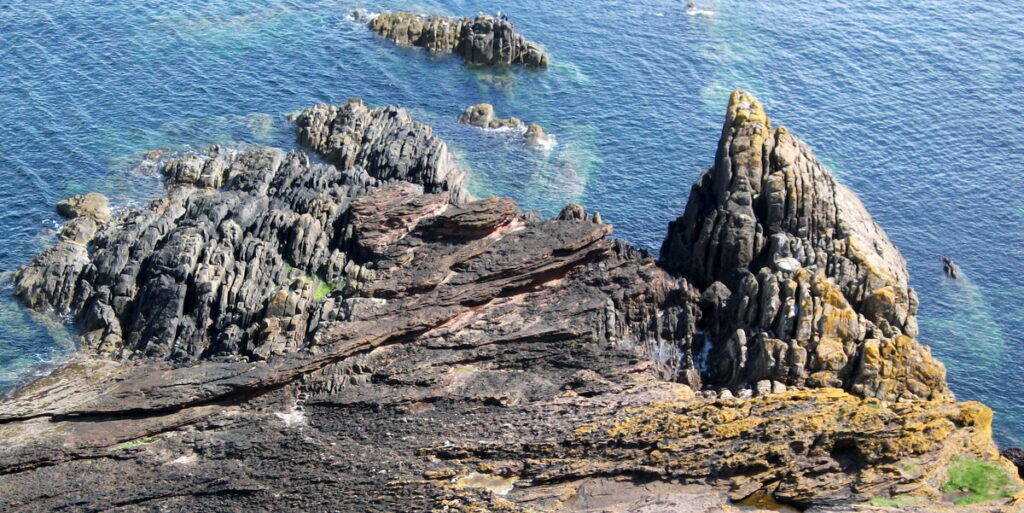
Edinburgh, perhaps more than any other city in the world, is a geological city. A city developed on a varied, glaciated landscape of low, craggy igneous hills surrounded by extensive low ground underlain by sedimentary rock. The hills have been used as defensive sites and for farming, and the town developed originally from the Castle Rock and along the high spine extending eastwards (a glacial crag-and-tail feature). Within the city limits there are igneous rocks from two very different volcanic episodes: an extensive early Devonian, silica-rich pile of ash and lava, and a later, more limited basaltic episode that includes small volcanic cones, plugs and impressive sill intrusions. The sedimentary rocks also extend from Devonian into Carboniferous times, showing interesting variety as geography and climate changed, and resulting in useful mix of sandstone (widely used for building), mudstone, limestone (agriculture and mortar), oil shale and coal. The overall result is a city built of and heated by stone, that has developed across an intricate geological landscape. This is a geology and landscape that asks questions, and enquiring minds such as James Hutton and Louis Agassiz have found evidence here to support radical ideas of how the Earth works.
Angus Miller is a geologist based in Edinburgh. Since 1998 his business, Geowalks, has introduced thousands of people to Scottish geology, through educational activities, guided walks and geological holidays. He teaches adult education courses for the University of Edinburgh and the City of Edinburgh Council. In 2011 he was founding chairperson of the Scottish Geodiversity Forum, coordinating Scotland’s Geodiversity Charter and working with a wide range of organisations and individuals to promote Scottish geology, and was a founding Trustee of the Scottish Geology Trust when it was launched in 2020. Since 2016 he has been employed by the Edinburgh Geological Society to help organise and promote the activities of the society: this included coordinating a wide-ranging series of events to celebrate the Tercentenary of James Hutton’s birth in 2026, and leading on the creation of the Deep Time Trail at Siccar Point.
- Speaker: Angus Millar
- Monday 11th January 2027 7.00pm
- Venue: Zoom