- 15th August 11am-4pm 2026
- Lead: Karen Parks and Jake Dalzell
- Meet: Steps down to beach Killard Rd
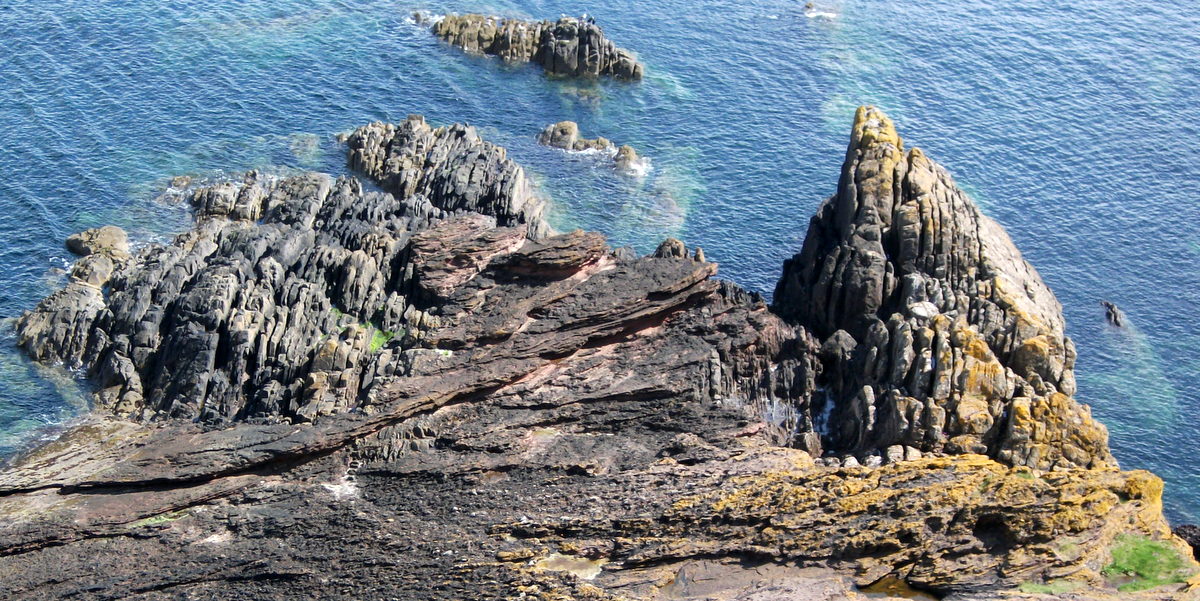
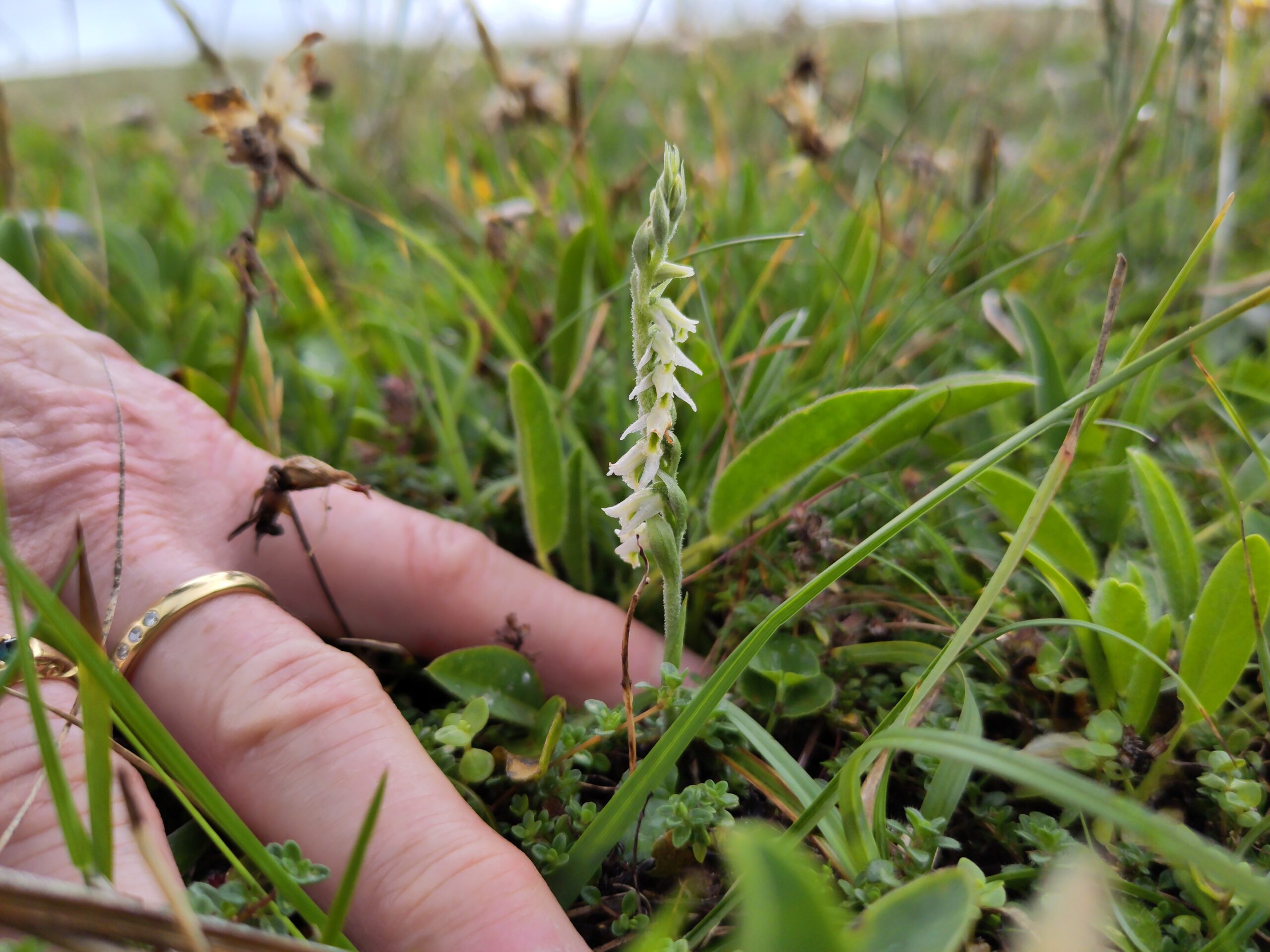
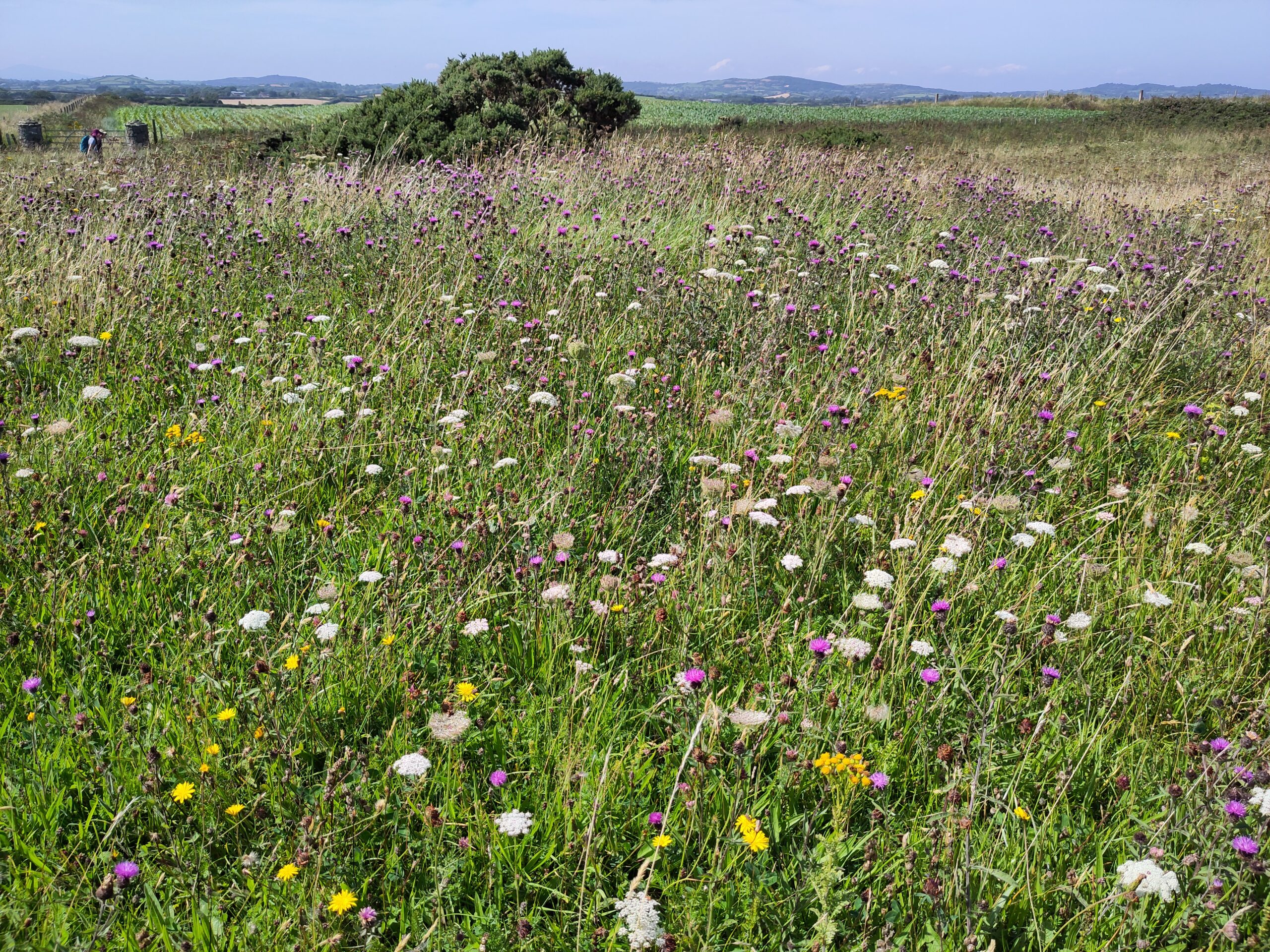
We will explore the geology and late summer orchids in the coastal grassland and rock exposures at Killard. This is a headland of glacial till covering about 32 hectares on the coast of south-east Down. We will see local botanical rarities like Spiranthes spiralis, Autumn Lady’s-tresses, recorded for first time in in Northern Ireland, at Killard, by Jake and his mother, Judith, in 2023.
https://markavery.info/2023/10/03/bsbi-press-release-autumn-ladys-tresses-found-in-northern-ireland/
We expect that the frog orchids will still be visible (though past their best) and that the non-orchid Knautia arvensis to be in flower.
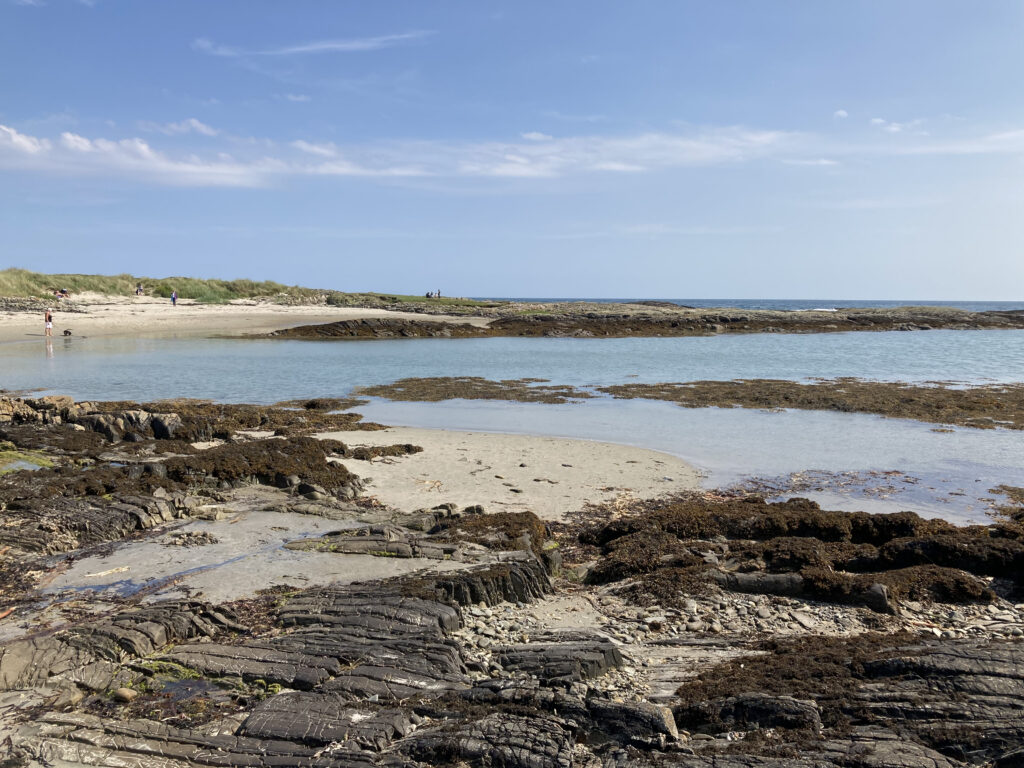
We will walk from Mill Quarter Bay to the reserve along the beach (about 600m) – note this is a rocky beach and the terrain is uneven. The reserve itself has paths and the parts with the most botanical interest are flat. We may climb a small hill towards the end. Wear weather-appropriate clothing and footwear for uneven ground. There are no toilets or other facilities. Bring a packed lunch, hand lens, binoculars, flora identification guide, sketching materials
Along this route, Jake and Karen will be exploring the geodiversity and biodiversity of the area with you.
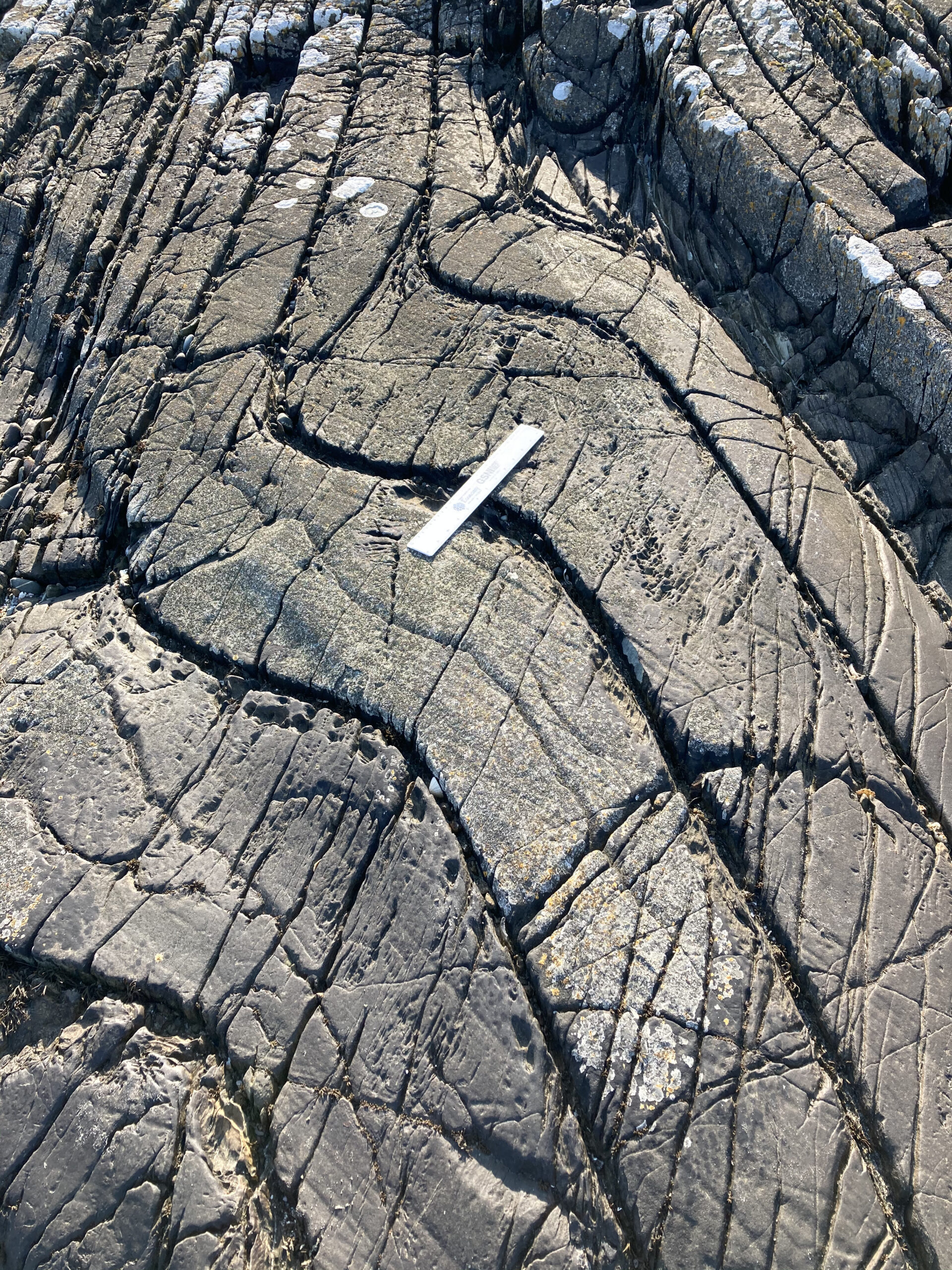
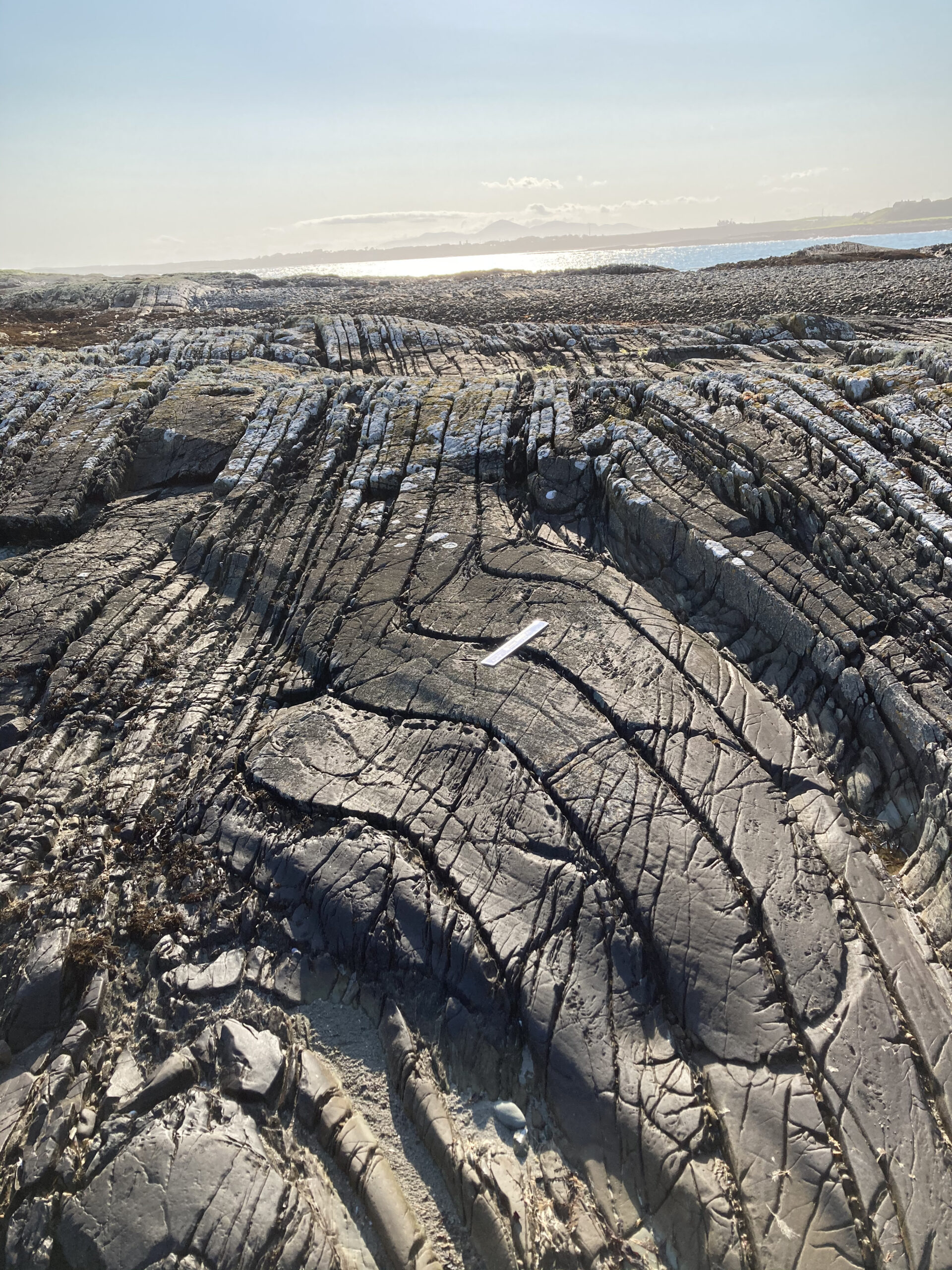
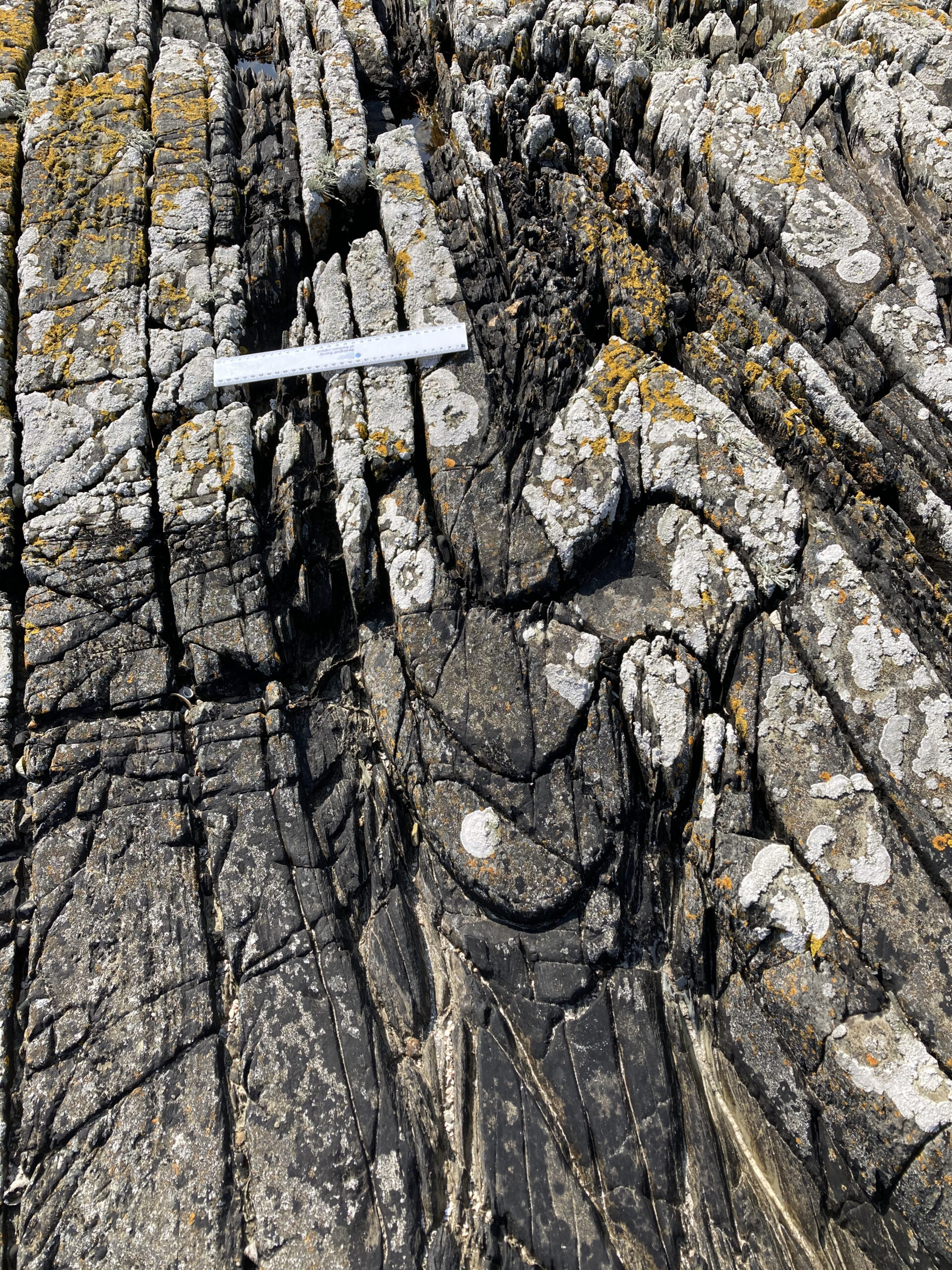
- We will look at the 2 main rock formations in the area and the impact of the Caledonian Orogeny / mountain building era and help to understand the tectonic setting for the formation of the Silurian rocks.
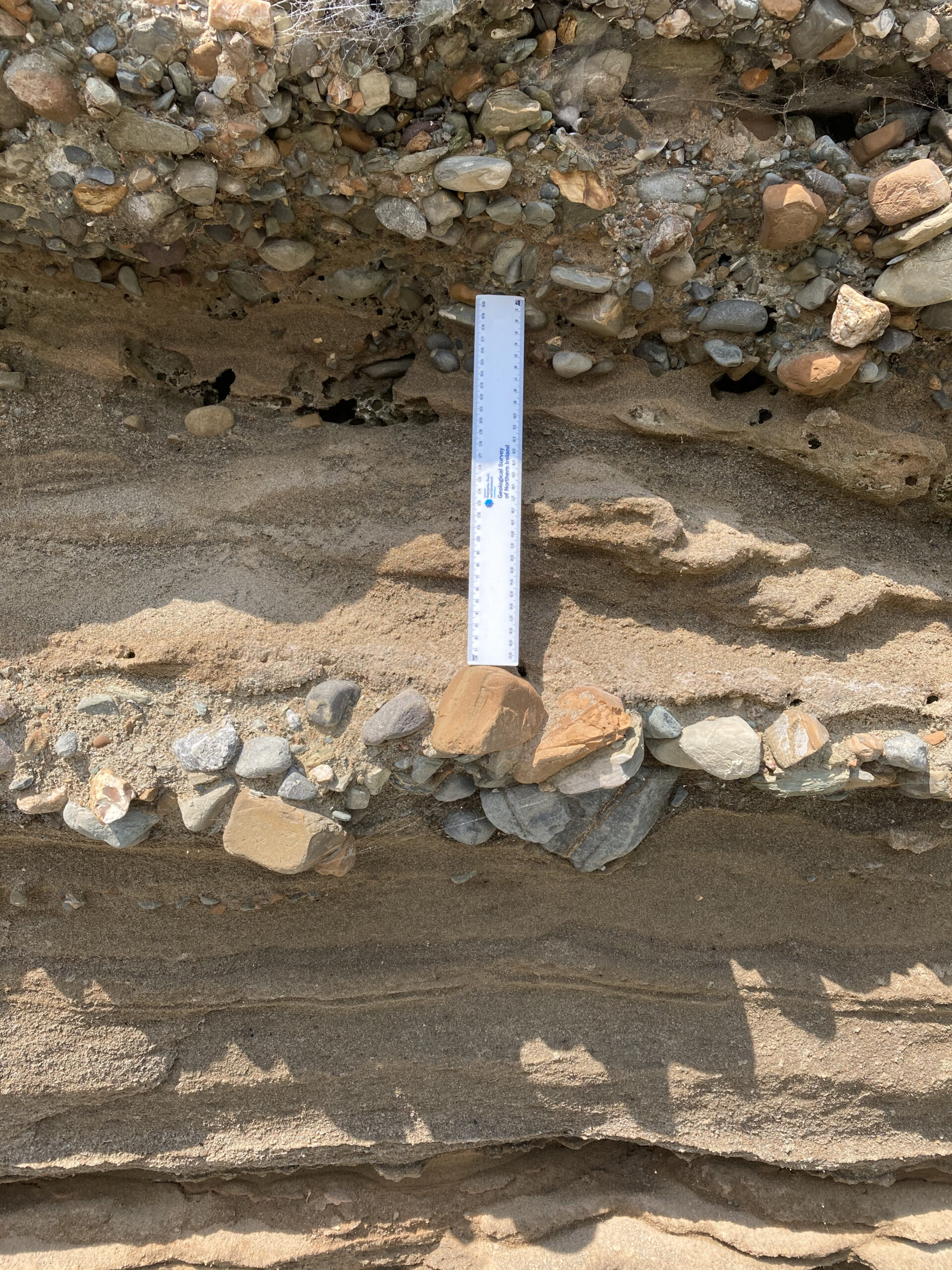
- Killard is a fascinating area in relation to the glacial deposits linked to the more recent rock formations and observe the unconformity between the younger rocks and the older Silurian depsoits
- Coastal geomorphology (raised beaches, blowholes, coastal erosion)
- The site is dominated by coastal dry grassland, with many plants unusual for the area. We will see Ulster’s only population of Autumn Ladies’ Tresses, as well as Frog Orchids, Field Scabious, and Restharrow.
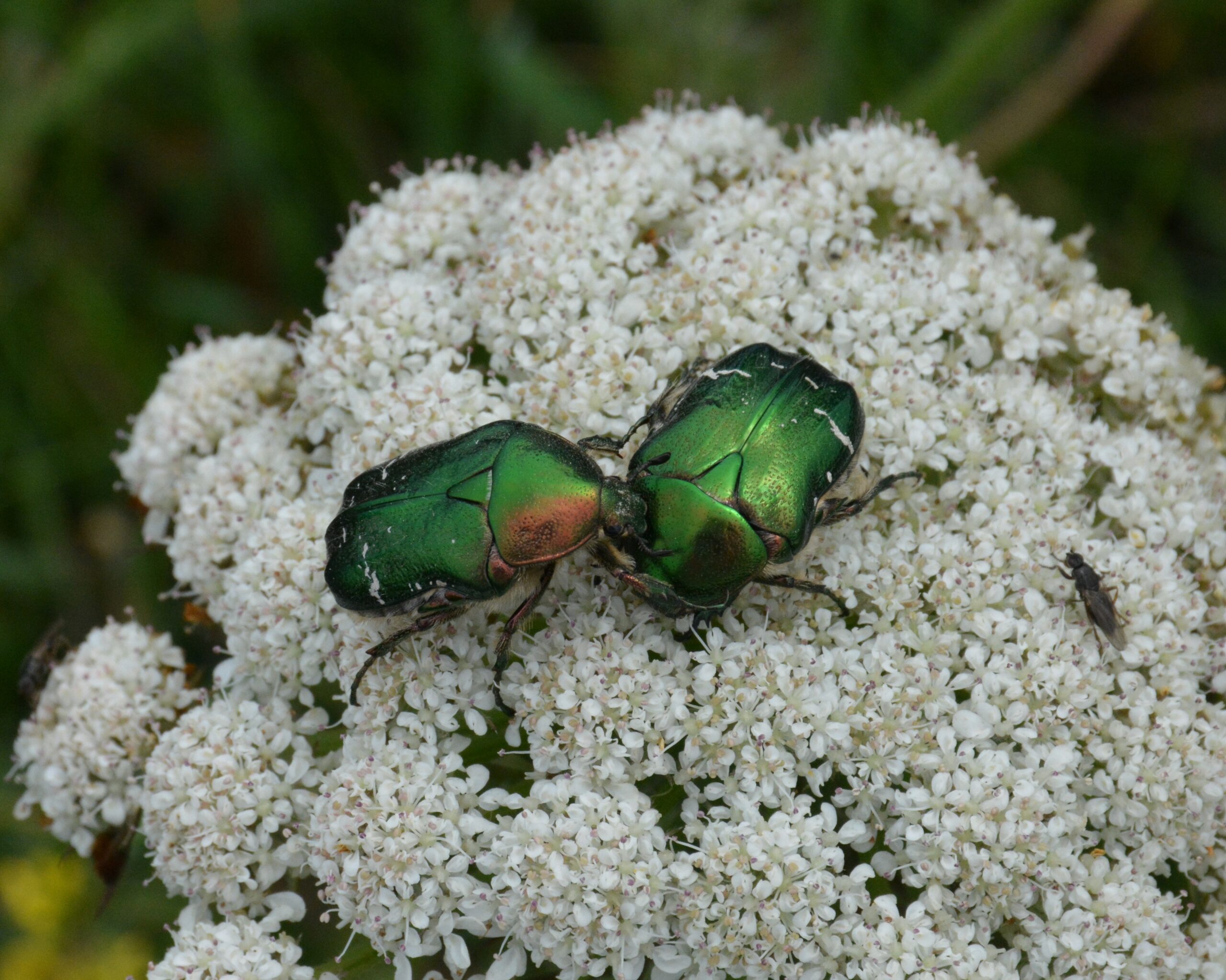
- Invertebrates at the site include Dark Green Fritillary and Rose Chafer, both of which may still be visible on this day towards the end of their flight period. The locally rare/extinct Moss Carder bee was seen here as recently as 2020. Perhaps we will refind it!
- The site has a reasonably sized colony of Sand Martins as well as Ringed Plover, Kestrels, Stonechats, and other birds.
- We will also find out the link between an Ulster Bank £5 note image and Killard.
We will have a sign in Google Forms for contact with the group before and after the event.
Please complete the link below:
https://forms.gle/sYdGj9wiR9F2Zhzz6